

Data analysis in fisheries science: Biology, assessment and conservation of living marine resources (day 5) 18 September 2026
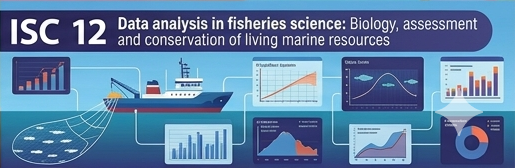
The International Summer School of the University of Cádiz launches the advanced training course Data analysis in fisheries science: Biology, assessment and conservation of living marine resources, designed to provide participants with a comprehensive foundation in fisheries science, with a strong focus on sharks and rays. The program integrates biological principles, fisheries data analysis, and applied quantitative methods to understand how living marine resources are assessed and conserved. Through a combination of lectures and daily practical sessions in Excel and R, the course equips participants with the skills to transform raw fisheries data into meaningful indicators for assessment and conservation. By the end of the program, attendees will be able to critically evaluate fisheries datasets, apply appropriate analytical tools, and interpret results within a biological and sustainability framework to support the responsible management of living marine resources.
Date: September 14–18, 2026.
General and specific objectives:
The main objective of this course is to provide students and professionals in marine and environmental sciences with a solid and practical understanding of fisheries data analysis, integrating biological knowledge with quantitative assessment tools.
Regarding the specific objectives, by the end of the course, participants will be able to:
- Understand fundamental fisheries science concepts, including stock structure, population dynamics, CPUE, biological reference parameters, and the characteristics of living marine resources, with emphasis on sharks and rays.
- Recognize the importance of biological parameters (e.g., length, weight, maturity, feeding ecology, tagging, migration) and understand how these variables influence fisheries assessment and conservation strategies.
- Design and structure robust fisheries databases, applying best practices in data organization, variable standardization, and quality control using Excel and R.
- Identify and evaluate data-limited situations, detect sampling bias, and apply appropriate analytical approaches when working with poor or incomplete datasets.
- Apply quantitative and statistical tools such as CPUE standardization, logistic models for maturity estimation, time-series analysis (ARIMA/SARIMA), and the Gini index for quota or size-class concentration analysis.
- Integrate biological and fisheries data to generate scientifically sound interpretations that support conservation and sustainable management of marine living resources.
- Develop critical thinking and analytical skills, enabling participants to independently analyze fisheries datasets and contribute to research, monitoring, and conservation initiatives.
Coordinator: Remedios Cabrera Castro (INMAR-UCA).
More information: https://internacional.uca.es/isc-12-data-analysis-in-fisheries-science-biology-assessment-and-conservation-of-living-marine-resources/